Wednesday, November 12, 2008

Tips on <Wildlife in B&W>

Is not so hard to choose when a scene might be better suited for B&W or a color composition. Scenes where animals have colorful characteristics, or the entire scene has very saturated colors are better snapped in color, on the other hand, moody skies, harsh sunlight or interesting textures might be better suited for B&W

Its easy to select when to leave color

Textures and abstracts can make interesting B&W shots

When the weather takes a turn for the “worse”, low light, moody cloudy skies are usually the best opportunities to go for B&W. Remember you are trying to convey a mood, not any specific details of the animal or subject you are shooting.

Because of their color and textures, elephants, rhinos, gorillas and chimpanzees make for great portraits in B&W

Another trip to remember is that the more contrast the better so don't be afraid to shoot on harsh conditions which will accentuate this contrast.

Visit my pictures at http://www.flickr.com/a207001392

Tuesday, November 4, 2008

My next purchase is announced! Olympus E-30

image

Wednesday, October 29, 2008

Tips on <Using Reflections>

Using reflections can add a new dimension of creativity to your photography. From Mirror, glass buildings, puddles, there is always a possibility to leverage them both in and outdoors. They can be used on any type of photography from landscapes (reflections on lakes), urban (glass windows, puddles)

Puddles

In urban settings, after a storm puddles will be created on the pavement, that can be leveraged to create great pictures of reflections. Dont worry about how clean the water is, sometimes all you need is an outline,

Unusual forms

Certain objects with interesting and complicated shapes will create a great shot if standing next to the reflective surface, as if they were join together. Framing is important in this kind of shot

Refractions

Using water droplets, make sure you get glycerin and either use it instead of water or mix it up half and half. This will allow the droplets to keep their shape for much longer, use a pipette if you want to make sure you get even shape droplets.

For this type of shot a close up macro lens is essential, you will also need a study tripod. Focusing is the most tricky part of this type of shot, focus in a single droplet, and focus on the image reflected not on the water itself. Around f/11 is recommended, this will you a sharp refraction.

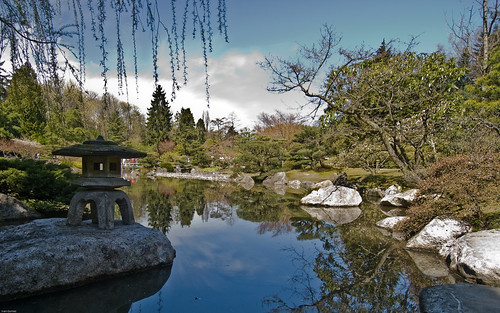
Use tranquil waters to reflect the scene
Glass buildings and puddles are great for creating a composition with reflections


visit my pics at http://www.flickr.com/a207001392 
Using glycerin and an interesting background can make for a very interesting composition.

Tuesday, October 28, 2008

Tips on <Making the most of Landscapes>

These are some tips from professional photographers if you want a better chance to get your landscape shots published:

1) Shot Vertical and Horizontals.

Most of the magazines print vertical shots and most calendars use horizontal pictures. For maximizing each scene and if the scene can work both ways ensure you take both.

2) Compose with text in mind

Most of the photos on printed media will include text one way or another, it is wise when composing leave ample space so that editors can build a message or a magazine cover around it

3) Concentrate on the details

Shooting landscape photography is not always about wide angle lenses or huge vistas, focus on the details around you, sand ripples, waves, shells, .

focus on interesting items on the skyline

4) Work with the light

Usually is better to focus on your landscape when is being light sideways, rather than with the sun behind you. This will bring up interesting details

5) Leverage places of interest

While nature shots are very common, focusing on common places of interest like castles, buildings, markets will increase the possibility of editors using your pictures. Try to be creative and capture the building on a different light

6) Use a remote

Minimize camera shake as much as you can, if you dont have one, use the camera timer  for this

7) Develop a system

Some people use landscape in manual that way you have full range of settings. A common aperture would be f/16 as a smaller aperture sometimes sacrifice sharpness on some lenses. Focus a third of the way into the shoot, and dial a shutter speed as recommended from the metering system. Take a shot and check your histogram, remember to keep checking your settings as light can change in a matter of minutes specially at dawn and dusk.

Use a wide aperture, dont go all the way to f/22 and focus a third on the shot

8) Include people in the shot.

As a matter of sense, sometimes a pure shot of the landscape would be more pleasant, however the great majority of shots that get published on magazines include a “living” creature, people, pets, animals, insects, etc.

Places I've shot in